Author: Philosophy

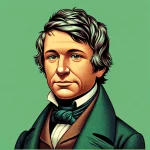
William Faulkner

William Faulkner

Intro William Faulkner was a novelist from Mississippi and a major figure in American literature. He wrote 13 novels and a number of short stories, mainly set in the American South in the early 20th century. His work helped define the genre of Southern Gothic, in which the traditional tropes of Gothic literature (isolation, decay, madness, death, disease) are set against the backdrop of the southe... »
Euripides

Euripides

Intro Euripides was a playwright who lived during the golden age of Athenian culture. He is one of the most well-known tragedians of Ancient Greece, having written dozens of highly-regarded tragic plays. An eccentric artist and a student of some of the greatest philosophers of his age, Euripides wrote plays that challenged the expectations of his Athenian audience and stirred them to rethink tradi... »

Epicurious

Epicurious

Intro Greek philosophy has given us a lot of easily misunderstood terms: words like hedonism, cynicism, and stoicism that have a popular meaning very different from their philosophical meaning. But probably no Greek philosopher is more widely misunderstood than Epicurus. Most people associate his name with one thing: pleasure, especially the pleasures of food and wine. So you have the cooking webs... »

Ralph Waldo Emerson

Ralph Waldo Emerson

Intro Ralph Waldo Emerson was one of the titans of American Romanticism. Obsessed with freedom, he developed a conception of political democracy that motivated generations of political philosophers. Equally obsessed with the inherent value of nature, he laid the intellectual groundwork for the conservation movements that would blossom in the late 19th century with the establishment of America’s Na... »

John Dewey

John Dewey

Intro Although his name isn’t well known, John Dewey had a deep impact on American thought. He was the last of the great classical pragmatists, the generation of thinkers who developed a distinctly American school of thought rooted in practicality and personal commitment. Appropriately for a philosophical pragmatist, Dewey brought his ideas to the public in an effort to reform American society. He... »

Dante Alighieri

Dante Alighieri

Intro Dante Alighieri was an Italian poet and philosopher of the 14th century. He is most famous as the author of The Divine Comedy, a three-part epic poem narrating a pilgrim’s journey through hell, purgatory, and ultimately on to heaven. The first book of the set, the Inferno, is probably the most widely-read work of Medieval literature. With its powerful imagery and incisive moral-political com... »

Zero Risk Bias

What is Zero Risk Bias? Zero Risk Bias can be understood as a mental shortcut that happens when we choose to get rid of a smaller risk completely, rather than reducing a much bigger risk just a little. It’s like when we have the choice between fixing a tiny scratch on your bike’s paint or checking to see if the brakes work properly, and we choose to fix the scratch. It feels good to ma... »

Zeigarnik Effect

What is Zeigarnik Effect? The Zeigarnik Effect is like a mental sticky note. It’s what happens when our brains hold onto tasks that we haven’t finished yet. It’s like when you open an app on your phone, and it keeps running in the background. Your brain does the same thing—it keeps thinking about jobs that are undone. Bluma Zeigarnik, a psychologist, noticed something interesting... »

Third Person Effect

What is Third Person Effect? Imagine you’re watching a TV ad for the newest smartphone. You think to yourself, “I don’t need that phone; these ads don’t really work on me.” But then you also think, “Other people will probably rush out to buy it because of this ad.” When you have these thoughts, you’ve just experienced the Third Person Effect. This ha... »

The Dunning Kruger Effect

What is The Dunning-Kruger Effect? The Dunning-Kruger Effect is when people are new to a topic and think they understand it better than they actually do. Imagine someone trying to play chess after learning just the rules; they might feel like they know the whole game until they play against someone who really understands strategy. This effect is not about being dishonest; it’s more about not... »